
Regular roof inspections are vital for the longevity of commercial roofs. They allow property owners to identify potential issues early, thereby preventing costly repairs and extensive damage. Conducting these inspections at least twice a year, especially before and after severe weather, guarantees compliance with warranty requirements. However, recognizing the specific signs that indicate a roof needs immediate attention can greatly influence maintenance strategies. Understanding these factors is fundamental for preserving the integrity of the structure.
Key Takeaways
- Regular roof inspections identify potential issues early, preventing costly repairs and maintaining the roof’s integrity.
- Inspections enhance energy efficiency, contributing to lower utility costs and improved building performance.
- Compliance with warranty requirements is ensured through consistent inspections, protecting your investment.
- Assessments after severe weather help mitigate risks associated with leaks and structural weaknesses.
- Maintenance plans stemming from inspections extend the roof’s lifespan, supporting overall operational efficiency.
Why Regular Roof Inspections Matter
Regular roof inspections are essential for maintaining the integrity and longevity of commercial roofs, as they help identify potential issues before they escalate into costly repairs. Establishing a routine for how often inspect commercial roof is vital; industry standards typically recommend inspections at least twice a year, particularly before and after severe weather seasons. This proactive approach allows facility managers to assess the roof’s condition, ensuring that minor damages are addressed promptly. Additionally, regular inspections facilitate compliance with warranty requirements and can enhance the building’s overall energy efficiency. By prioritizing these inspections, businesses can foster a sense of security and belonging within their operational environment, ultimately contributing to the long-term sustainability of their investments.
Signs That Indicate Your Roof Needs Immediate Attention
What signs should facility managers look for to determine if their commercial roof requires immediate attention? Notable indicators include visible leaks, water stains on ceilings, or dampness in insulation, which suggest compromised integrity. Additionally, the presence of extensive granule loss from shingles or blistering and cracking in membrane systems can signal underlying issues. Ponding water, particularly in low areas, may indicate drainage problems, while sagging or uneven sections can reflect structural concerns. Prompt identification of these signs is essential, as neglecting them can lead to costly repairs. Regular roof inspections are important to maintain the roof’s condition, ensuring longevity and protecting the facility’s assets. Understanding how often to inspect a commercial roof is critical for proactive management.
How Often to Inspect Your Commercial Roof for Longevity?
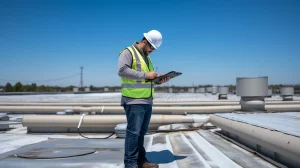
To guarantee the longevity of a commercial roof, facility managers should prioritize routine inspections at strategic intervals. Typically, a thorough inspection is recommended at least twice a year, ideally in the spring and fall, to address seasonal wear and tear. Additionally, inspections should follow severe weather events, such as heavy storms or hail, to identify potential damage early. By adhering to these guidelines, facility managers can proactively mitigate risks associated with leaks, structural weaknesses, and other issues that may arise. Regular assessments not only extend the roof’s lifespan but also contribute to overall building integrity. Ultimately, understanding how often to inspect a commercial roof is essential for effective asset management and long-term operational success.
Key Advantages of Regular Roof Maintenance Plans
While many facility managers may underestimate the importance of proactive roof maintenance, implementing a regular maintenance plan offers significant advantages for the longevity of commercial roofs. Such plans facilitate early detection of potential issues, thereby reducing the likelihood of costly repairs. In addition, regular maintenance enhances the roof’s performance, contributing to improved energy efficiency and lowering utility costs. A structured approach also guarantees compliance with warranty requirements, protecting the investment in the roof system. Moreover, routine inspections foster a safer working environment by minimizing hazards associated with leaks or structural failures. By prioritizing these maintenance strategies, facility managers can extend the lifespan of their roofs, ultimately supporting the overall operational efficiency of their buildings.
How to Pick the Best Roof Inspectors
Selecting the right roof inspector is essential for guaranteeing the longevity of a commercial roof. A qualified inspector should possess relevant certifications and extensive experience in commercial roofing systems. It is advisable to seek professionals with a solid reputation; online reviews and testimonials can provide valuable insights. In addition, potential inspectors should be familiar with local building codes and regulations to ensure compliance. Requesting a detailed inspection report outlining findings and recommendations demonstrates the inspector’s thoroughness and professionalism. Moreover, inquire about their approach to ongoing maintenance and follow-up services, as these factors contribute to long-term roof health. Ultimately, making an informed choice regarding who will inspect the roof can greatly impact its durability and performance over time, emphasizing the importance of knowing how often to inspect a commercial roof.
Frequently Asked Questions
What Specific Issues Can Roof Inspections Identify Early?
Roof inspections can identify early issues such as leaks, membrane deterioration, drainage problems, and structural damage. Addressing these concerns promptly can prevent costly repairs and extend the overall lifespan of the commercial roof.
How Do Weather Conditions Affect Roof Inspection Frequency?
Weather conditions considerably influence inspection frequency; harsher climates necessitate more frequent assessments. Rain, snow, and extreme temperatures can exacerbate wear, making it essential to inspect commercial roofs regularly to identify potential damage early.
Can I Perform Roof Inspections Myself?
While individuals can perform basic roof inspections themselves, professional assessments are recommended for detailed evaluations. Experts possess specialized knowledge and tools, ensuring thorough inspections that identify potential issues more effectively than untrained eyes.
What Tools Are Needed for a Thorough Roof Inspection?
A thorough roof inspection requires tools such as a drone, safety harness, binoculars, moisture meter, infrared camera, and basic hand tools. These instruments guarantee accurate assessments, identifying potential issues before they escalate into costly repairs.
How Do Roof Inspections Impact Insurance Claims?
Roof inspections play a critical role in insurance claims, as they provide documented evidence of a roof’s condition. This documentation can help validate claims, ensuring policyholders receive appropriate compensation for damages sustained during incidents.
Conclusion
In summary, regular roof inspections are a critical component of maintaining commercial roof integrity and longevity. By identifying potential issues early, property owners can prevent costly repairs and guarantee compliance with warranty requirements. Conducting inspections biannually and after severe weather not only enhances energy efficiency but also safeguards the overall value of the building. Engaging professional inspectors further ensures thorough assessments, enabling proactive maintenance that ultimately extends the lifespan of commercial roofing systems.
You Also Like To Read: