
Healthcare is shifting. We’re seeing a move away from those massive, impersonal chains and toward localized, high-touch service models. People are getting tired of automated kiosks and endless waiting rooms. A patient doesn’t just want a box off a shelf; they want a professional who actually knows their medical history. The shift is driven by a fundamental realization: medicine is too personal to be treated as a commodity. When you are managing a chronic condition or a new diagnosis, you aren’t just a customer number; you are a person navigating a complex biological reality.
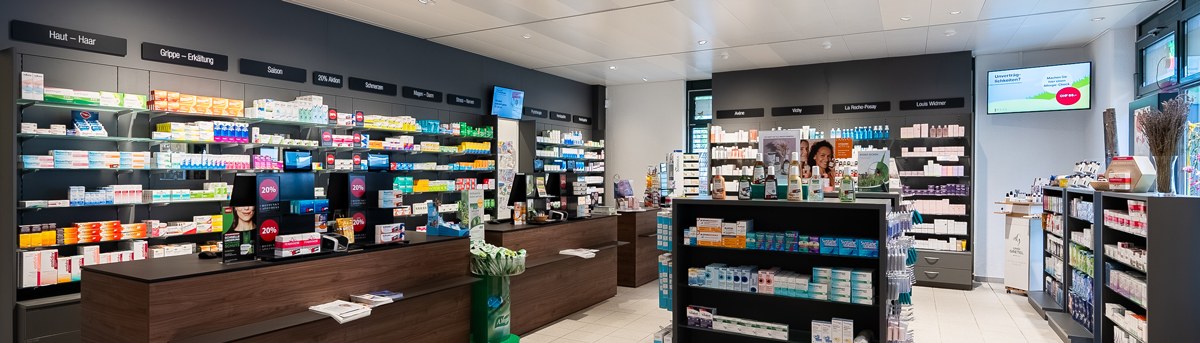
WestOst Apotheke works in this niche. It avoids the sterile, assembly-line feeling you get at big-box retail pharmacies. Instead, it focuses on a direct connection between the pharmacist and the patient. This isn’t just an idealistic idea, it’s a functional necessity for anyone managing complex, long-term prescriptions. In a large chain, the pharmacist is often a manager of logistics, rushing to clear a queue of hundreds of orders. In a localized model, the pharmacist is a clinical consultant, ensuring that every pill dispensed is part of a coherent, safe treatment plan.
The model here is built on being available when you need it. When you need a specific medication, you don’t want to wait for a delivery or struggle with a website that lacks human oversight. You want someone to look you in the eye and confirm the dosage is correct. That direct interaction is what defines a local pharmacy. It provides a layer of psychological comfort that a digital interface simply cannot replicate. Knowing that your healthcare provider is a physical entity in your community changes how you approach your own wellness.
Beyond the Prescription Counter
Most people walk into a pharmacy thinking they just need a quick pick-up. They treat the interaction like a transaction rather than a consultation. That’s a mistake. The most valuable part of a service like WestOst Apotheke isn’t the pills themselves; it’s the technical advice that comes with them. A transaction ends when the money is exchanged; a consultation begins when the patient asks, “Is this normal?”
Pharmacists spend years learning how drugs actually interact. A patient might bring in a prescription that looks straightforward, but the pharmacist might see a conflict with a supplement the patient takes for sleep, or perhaps a dietary habit like consuming grapefruit juice, which can dangerously alter the metabolism of certain medications. That’s where the real work happens, preventing errors before they ever reach the medicine cabinet. This “gatekeeper” function is the most critical safety mechanism in modern medicine, acting as a final check against prescribing errors or patient misunderstandings.
The inventory management is also more focused than a supermarket pharmacy. They don’t try to stock every niche product ever made, which often leads to empty shelves of the things people actually need. Instead, they make sure the items their specific community actually needs are always on hand. It’s a curated approach to supply. If a local demographic has a high incidence of seasonal allergies or specific geriatric needs, the pharmacy adjusts its stocking patterns to meet that specific demand, rather than following a generic corporate algorithm.
Medical needs change fast. A patient might experience a side effect that wasn’t mentioned in the pamphlet. You can’t exactly rely on a machine to explain why your heart rate feels a bit off or why you’re experiencing sudden lightheadedness. A real person can offer immediate, practical guidance on whether you should call a doctor, visit an urgent care facility, or just wait a few hours for the medication to stabilize in your system. This immediate triage is a vital component of community health management.
The selection of non-prescription items works the same way. Instead of a mountain of cheap, generic brands that nobody asks for, there’s a focus on reliable wellness products. This includes:
- Targeted dermatological solutions for sensitive skin, prioritizing hypoallergenic and non-comedogenic formulations.
- High-grade vitamins that actually meet absorption standards, avoiding the fillers and heavy metals often found in low-tier brands.
- First-aid essentials that are actually useful for home use, including high-quality wound care and specialized bandages.
- Specialized dietary supplements for chronic condition management, such as those for bone density, cardiovascular health, or cognitive function.
The Logistics of Localized Care
Efficiency is what makes a pharmacy successful. It’s easy to talk about “care,” but if the pharmacy is closed when you need it or doesn’t have your refill, that care is useless. WestOst Apotheke focuses on the logistics of being available. This means maintaining a supply chain that actually works for the local neighborhood. A localized pharmacy can often secure stock through smaller, more agile distributors, allowing them to react to shortages faster than a massive corporation tied to a centralized, slow-moving warehouse.
The staff does more than just scan barcodes. They manage the intake of complex prescriptions that require verification from multiple doctors. They act as a liaison between the physician’s office and the patient. Most customers never see this process, but it’s the most intensive part of the job and requires extreme attention to detail. This includes verifying insurance coverage, navigating prior authorizations, and ensuring that the pharmacy’s digital records match the doctor’s latest orders.
Digital tools help this efficiency, too. People use west-ost-med.at to see what’s available before they even walk in. It saves time for everyone. And nobody wants to waste time when they’re feeling unwell. By integrating digital accessibility with physical expertise, the pharmacy bridges the gap between the convenience of the internet and the reliability of face-to-face care.
Running a pharmacy involves a lot of constant movement. Deliveries are arriving, prescriptions are being prepared, and patients are waiting at the counter. It’s a balancing act. One mistake in labeling can have serious consequences. This is why pharmacists utilize a rigorous multi-step verification process. Every time a pill is counted or a liquid is measured, it undergoes a secondary check to ensure the label matches the clinical order exactly.
How do you keep quality high when the volume of prescriptions goes up? The answer is strict standard operating procedures. Every step, from receiving the prescription to handing over the bag, follows a controlled sequence. This includes temperature monitoring for refrigerators, strict protocols for handling controlled substances, and meticulous documentation for every patient interaction.
Navigating the Complexity of Modern Medication
The variety of medications available today is staggering. We’ve moved far beyond aspirin and cough syrup. Modern pharmacology includes biologics, large, complex molecules derived from living organisms, as well as specialized hormones and complex combinations that need precise handling. These are not just “pills”; they are high-precision biochemical tools.
The storage requirements are intense. Many modern drugs are sensitive to light, temperature, or humidity. For example, many insulin products or certain biologics must be kept in a strict “cold chain.” If a pharmacy doesn’t maintain a strict climate-controlled environment with continuous monitoring and backup power systems, the medication becomes nothing more than expensive water. It’s a technical requirement that people often overlook, but it is the difference between a working medicine and a useless liquid.
Patients often struggle with the “why” behind their medication. Why take this at night instead of the morning? Why can’t I take this with food? Why am I taking two different drugs that seem to do the same thing? These questions define a good pharmacy experience. A pharmacy that ignores them is just a retail shop. A pharmacy that answers them is a healthcare partner.
The relationship between a patient and a pharmacist is a partnership. It’s a two-way street: the patient provides the context of their symptoms, lifestyle, and diet, and the pharmacist provides the pharmacological context. This synergy is what prevents medical errors, such as accidental duplication of therapy or unexpected side effects from combining two different medications.
| Service Type | Primary Benefit | Patient Interaction Level |
| Prescription Fulfillment | Speed and Accuracy | Moderate |
| Medication Counseling | Safety and Compliance | High |
| Wellness Consulting | Preventative Health | High |
| Inventory Management | Availability | Low (Behind the scenes) |
| Drug Interaction Screening | Risk Mitigation | High |
It’s a specialized field. There’s no room for error, and the stakes are too high for a “good enough” approach to pharmaceutical care. The modern pharmacist must be part chemist, part counselor, and part logistics expert.
The Reality of Self-Care and Supplementation
There is a massive trend toward self-diagnosis and self-treatment. People see something online and decide they need a specific supplement to fix a problem. That can be dangerous if a professional isn’t involved. A supplement might interact poorly with a blood thinner, or a person might be self-treating a symptom that is actually a sign of a much more serious underlying condition.
WestOst Apotheke acts as a filter. They see the intersection of what people *think* they need and what they *actually* need. This prevents wasting money on useless products and, more importantly, prevents accidental interactions with prescribed medications. A pharmacist can explain that a “natural” herbal tea might actually be a potent diuretic that interferes with a patient’s blood pressure medication.
The pharmacy provides a physical space for these conversations. It’s much easier to ask a question in person than to search through a forum of anecdotal evidence where the advice is often unverified or dangerously wrong. The advice given here is based on clinical reality, not internet hype. It is the difference between reading a blog post and having a conversation with a professional who is accountable for their advice.
True health management is a long-term game. It isn’t about a quick fix in a bottle; it’s about consistent, informed decisions. A pharmacy supports that by being a reliable source of truth in a sea of conflicting health information. They provide the tools for long-term wellness, from managing chronic conditions to implementing preventative health measures through nutrition and lifestyle supplements.
Some people argue that large online retailers are more convenient because they deliver everything with one click. The truth is that a box in the mail cannot answer your questions about a sudden rash, a strange reaction to a new pill, or how to properly administer an injection. A local pharmacy provides a safety net that a digital warehouse simply cannot. In the moment of health uncertainty, proximity and expertise are the most valuable assets you have.